When crises strike—whether wildfires in Greece, earthquakes in Romania, or infrastructure failures—electricity and mobile networks often collapse within minutes, cutting off critical information access. As the European Commission reinforces its "EU Strategy for Emergency Preparedness," emergency radios have emerged as non-negotiable tools in mandatory 72-hour emergency kits, serving as Europe’s lifeline for reliable communication during disasters.
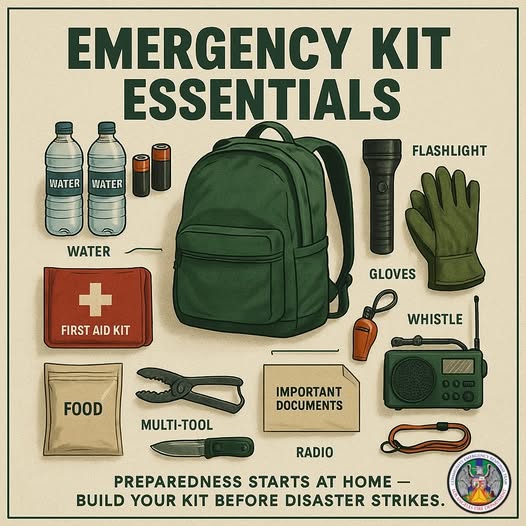
The EU’s directive to member states explicitly requires households, schools, and critical institutions to stock emergency supplies capable of sustaining life for 72 hours. Among the core items outlined by EU Crisis Management Commissioner Rabab Fatima, emergency radios stand out as essential for "maintaining connectivity when all other channels fail". This mandate aligns with real-world lessons: during the 2023 floods in the Balkans, emergency radio broadcasts delivered evacuation orders to remote communities where mobile networks were destroyed, while in Germany’s 2022 forest fires, radios ensured residents received real-time updates on fire spread and safe zones. Experts emphasize that radio signals’ resilience—even in rural or disaster-stricken areas—makes them irreplaceable, complementing emerging EU tools like the Galileo Emergency Warning Satellite Service (EWSS) to form a layered alert system.
For European markets, emergency radios must comply with the Radio Equipment Directive (RED) 2014/53/EU, a regulatory framework ensuring safety, electromagnetic compatibility, and efficient use of radio spectra. Modern EU-compliant models integrate multi-functional features tailored to regional needs: hand-crank and solar charging for off-grid reliability, compatibility with EU-Alert and national emergency broadcast systems, and USB power banks to recharge smartphones—critical for accessing digital alerts via Galileo’s satellite service. Advanced variants also support cross-border communication standards, reflecting EU efforts to enhance interoperability between emergency services, such as the recent direct radio connection established for Danish and German border response teams.
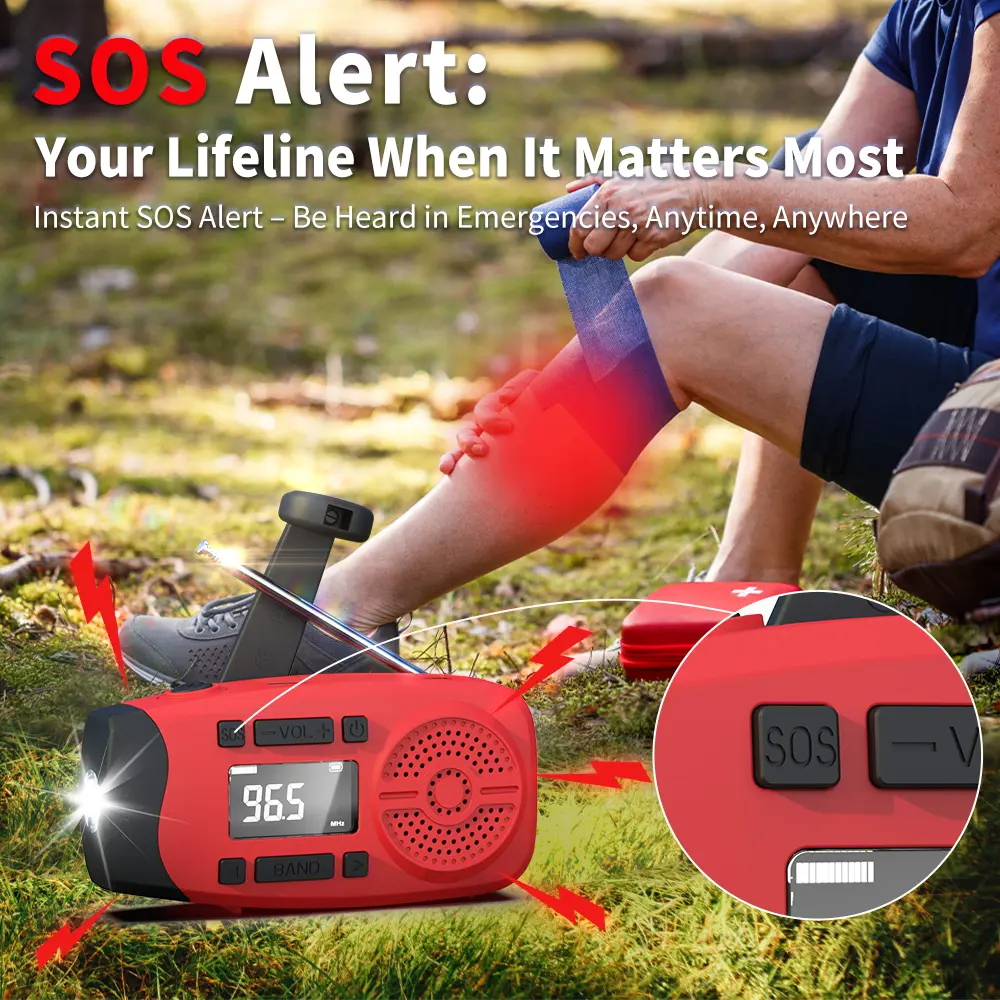
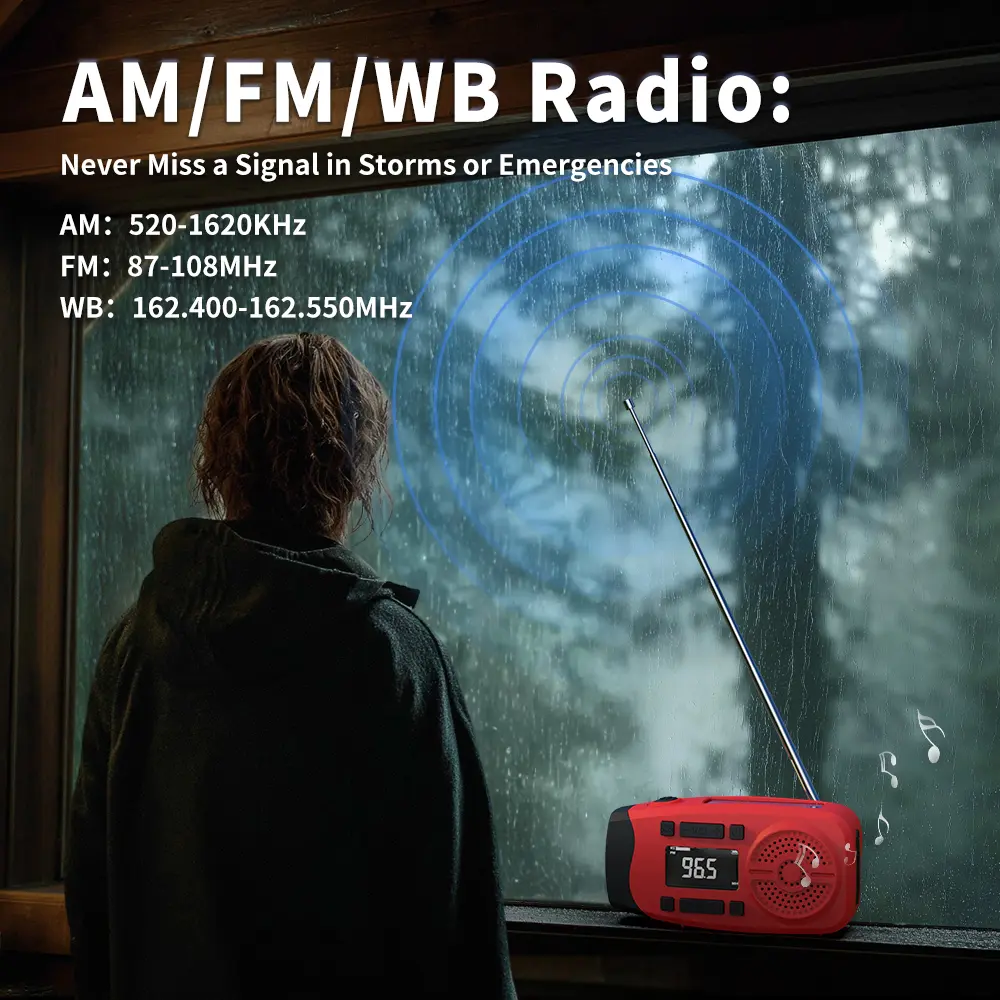
EU guidelines recommend strategic placement of emergency kits near entryways or in vehicles for quick access, with at least one radio per household and additional units for pets and travel. Manufacturers advise selecting RED-certified models with AM/FM and shortwave capabilities to capture pan-European emergency broadcasts, and regular maintenance—such as testing power sources—to ensure functionality. As the EU expands its crisis coordination center and shared reserves, the demand for robust, compliant emergency radios continues to grow, driven by both regulatory requirements and rising public awareness of disaster preparedness.
"Preparedness is the foundation of European resilience," notes a spokesperson for the EU Agency for the Space Programme. "An EU-compliant emergency radio isn’t just a device—it’s a guarantee that citizens can receive life-saving information, regardless of the crisis." As member states roll out mandatory preparedness drills and updates to emergency protocols, emergency radios remain a cornerstone of the EU’s vision for a safer, more resilient continent.



